
Ayurvedic Spices: Traditional Uses in the Kitchen
From haldi to hing, what each spice is traditionally used for in the Ayurvedic kitchen.

Abhilash Ramakrishna
06 Nov 2026 • 6min
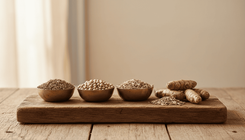
Ayurvedic spices are not a finishing touch added for flavour. In the ayurvedic kitchen each spice is chosen for what it does to digestion, or agni, the digestive fire that Ayurveda treats as the root of good health. This guide goes through the spices most often used at home, what each is traditionally used for, and how it usually reaches the plate. It describes traditional use, not medical advice. If you have a health condition, speak to a qualified vaidya or doctor.



Turmeric (haldi)
Turmeric in Ayurveda is called haridra. Its taste is described as bitter and pungent, its nature as warming, and the tradition values it for the skin, for wounds and for the blood. In daily cooking it is a pinch, not a spoonful. It goes into dal, sabzi and rice, and is fried briefly in ghee or oil so the raw, earthy edge cooks off. Haldi doodh, turmeric stirred into hot milk, is the best-known household remedy for a cold or sore throat. In many regions raw turmeric paste also belongs to skin care and wedding customs.
Cumin (jeera)
Jeera is the everyday digestive spice. Ayurvedic texts describe it as deepana and pachana, meaning it kindles appetite and helps food digest. It is usually the first thing into the hot ghee for a tempering, where the seeds crackle and darken a shade. Dry-roasted jeera is ground over raita and buttermilk. Jeera water, seeds boiled in water and sipped warm, is a common drink after a heavy meal. Roast gently, because burnt cumin turns bitter.
Coriander (dhania)
Both the seeds and the leaves are used, in different ways. The seeds are considered cooling and mild. They go into ground masalas, where they soften the heat of chilli and pepper, and into water kept for the summer months. Many Ayurvedic teachers describe coriander as agreeable to all three doshas, which is why it appears in so many everyday dishes. The fresh leaves are added at the very end of cooking, raw, as a garnish and a light digestive.
Fennel (saunf)
Saunf tastes sweet and is regarded as gently cooling. In many homes and restaurants a small bowl of it is passed round after a meal as mukhwas, a mouth freshener, and the habit has a digestive purpose: it is meant to ease bloating and heaviness. Some families eat it plain, others lightly roasted or coated in sugar. It is also steeped in hot water as a simple tea on its own.
Cumin, coriander and fennel tea
The three seeds are most often used together, and the drink is popularly called CCF tea. A common home version simmers about half a teaspoon of each seed in a glass or two of water for five to ten minutes. You strain it and sip it warm. The logic is balance: jeera is warming, while dhania and saunf are cooling, so the blend is considered gentle enough for most people. It is usually taken between meals or after eating, not as a substitute for a meal. Pregnant women and anyone on regular medication should ask their doctor first.
Ginger (adrak and sunthi)
Fresh ginger, adrak, and dry ginger, sunthi, are used differently. Fresh ginger is juicy and sharp. It goes into chai, into kadha for colds and into remedies for nausea. A traditional habit is to chew a thin slice with a pinch of rock salt before a meal to wake up the appetite. Dry ginger is hotter and more drying, so it is preferred in winter, in laddoos and in warming decoctions. Because it is stronger, use less of it than you would of the fresh root.
Black pepper (kali mirch)
Known as marich in Sanskrit, black pepper is sharply pungent and heating. With dry ginger and long pepper (pippali) it forms Trikatu, the classic "three pungents" combination, used for sluggish digestion and a heavy chest. At home it appears in kadha with tulsi and ginger, in soups and in a pinch over fruit. Go lightly if you are prone to acidity, and in the hot season.
Asafoetida (hing)
Hing is a resin taken from the roots of Ferula plants and sold as a lump or powder. Only a tiny pinch is needed, bloomed in hot ghee or oil for a few seconds at the start of tempering. Its traditional job is to calm gas, which is why it is paired with lentils, beans and cabbage. Hing also stands in for the savoury depth of onion and garlic in kitchens that avoid them, including many Jain and some Vaishnava households.
Ajwain (carom seeds)
Ajwain seeds are small, sharp and strongly aromatic. They are added to parathas, pakoras and other fried or heavy foods, partly for taste and partly because tradition says they ease the digestion of such dishes. A familiar home remedy for a gassy stomach is a pinch of roasted ajwain chewed with a little rock salt, followed by warm water. The seeds are potent, so a quarter teaspoon is usually plenty.
Using the spices well
Buy spices whole where you can, and roast and grind them in small batches. Heat them in ghee or oil briefly, since scorched spices lose their benefit and taste bitter. Ayurveda also asks you to adjust to the season and your own constitution: more cooling coriander and fennel in summer, more ginger and pepper in the cold months. Start with small amounts and notice how your body responds.
Common questions
How should I store ayurvedic spices at home?
Keep them in airtight jars in a cool, dark cupboard, away from the heat and steam of the stove. Whole seeds stay fragrant much longer than ground spices, so buy ground masalas in small quantities and replace them within a few months.
Can I drink cumin coriander fennel tea every day?
Many households do sip it daily, often in the morning or after lunch, and it is considered mild. Ayurveda still advises adjusting to your constitution and the season, so pause if it causes discomfort. Check with a doctor first if you are pregnant, breastfeeding or on regular medication.
Is hing powder the same as lump hing?
Most hing sold in shops is compounded with rice flour or gum, so the powder is milder than the pure resin. Lump hing is stronger and is usually dissolved in a little warm water before use. Adjust the pinch to the form you have bought.

Related Articles


