
How to set up a home puja altar
Sacred space, made simple.

Dharmayana
01 Oct 2026 • 6min
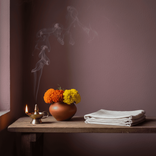
A home puja altar, or mandir, is a dedicated space where you can offer prayers and maintain a daily spiritual practice. Setting one up is straightforward: you need a clean, quiet corner, a surface to hold your chosen deities or symbols, basic ritual items, and the intention to use it regularly. This guide covers the practical steps to create a space that supports your practice.



Direction and placement
The ideal direction for a puja altar is east or north. East is traditionally associated with the rising sun and new beginnings; north with stability and the pole star. If your home layout does not permit this, south is acceptable, and west is used where other directions are impossible. Place the altar in a room where you can sit comfortably and where there is natural light, ideally morning sunlight.
Avoid placing the altar directly facing a wall or window, if possible. A corner or alcove works well because it creates a sense of enclosure and focus. Keep the altar away from heavy foot traffic and noise. If you share your home with others, position it where you can use it without frequent interruption. Many households place the mandir in a living room, bedroom or dedicated prayer room; a kitchen corner is also used in homes where space is limited, as long as the space remains clean and respectful.
The surface and structure
The base of your altar can be as simple or as elaborate as you wish. A low wooden table, shelf, cabinet or even a cloth-covered box works well. If you prefer to keep the space tidy between prayers, a closed cabinet with doors is practical. Many people use a wooden stand or traditional mandir, but this is not necessary: function matters more than form.
The surface itself should be elevated slightly above floor level, roughly between waist and shoulder height when you are sitting. This creates a natural focal point and keeps the altar visually and energetically distinct from the rest of the room. Cover the surface with a clean cloth, preferably white or a natural colour. Some people use silk, cotton or linen; the material is less important than keeping it clean and reserved for the altar alone.
Core items for your altar
At the centre of your altar, place either a murti (an idol or statue of a deity), a yantra (a sacred geometric diagram), or a symbolic representation such as a flame or image. If you do not have a murti, many people use a photograph of their chosen deity, a symbol like Om, or a simple lamp as the focal point. The specific choice depends entirely on your tradition and personal devotion.
Arrange other items around this centre point. Most home altars include a small oil lamp (diya) or incense holder, a small container of water (often in a small cup or vessel), flowers or flower petals, incense, and space for offerings such as fruit or sweets. Many people keep a bell or small chime on the altar to mark the start and end of prayer. A sacred text, prayer book or sheet of mantras can sit nearby if you use it during prayers.
Avoid clutter. If your altar holds ten items, each should have a purpose. An overcrowded altar loses its clarity and becomes harder to maintain. Start with the essentials—a focal point, a lamp, incense, flowers and water—and add other items as your practice deepens.
Keeping the altar clean and tended
The cleanliness of your puja altar matters more than its size or appearance. Before you pray, wash your hands and face. The surface should be wiped down weekly with a clean cloth; remove old flowers, ash and any offerings that have dried. Fresh flowers should be placed regularly, ideally before each prayer. Many people bring fresh flowers from their garden or buy them weekly as part of their practice.
Water in the altar should be changed daily or every second day. If you use an oil lamp, keep oil and wicks on hand so the lamp can be lit during prayer. Replace incense regularly so it is always available. If you offer food, remove it after the prayer is complete—do not leave offerings sitting for days.
The space around the altar matters too. Dust surfaces nearby, ensure the wall behind it is clean, and keep the immediate area free of clutter. This is not about perfectionism: it is about showing respect through care. A tidied altar helps focus your mind when you sit to pray.
Personalising your space
Your home puja altar should reflect your personal practice and the deities or spiritual figures you honour. Some people have altars devoted to a single deity; others honour multiple deities or the broader principles of Sanatan Dharma. Family members may each have a small space on a shared altar, or the altar may serve the whole household.
Many households combine practical and sacred elements. A small drawer or shelf below the main altar can hold extra incense, oil, flowers and cleaning cloths. Some people add a mat or cushion in front of the altar for sitting during prayer. Others hang a small bell above the altar or place sacred texts nearby. These additions are not rules; they are ways of adapting the space to your needs.
The altar also changes with the seasons and festivals. During major celebrations, people often decorate their altars more elaborately with extra flowers, lights or festive ornaments. This is not necessary, but many find that marking these occasions on the altar deepens their connection to the festival and to the broader cycle of observance.
Common questions
Can I put my puja altar in the kitchen?
Yes, if space is limited. Many households place the altar in the kitchen as long as the space remains clean and you can approach it with respect. Avoid placing it directly above a stove or in a spot where it will be crowded during cooking.
What if I don't have a murti—what can I use as the focal point?
A photograph of your chosen deity, a yantra, a symbol like Om, or even a small lamp or flame works well. Some people use a sacred text or a simple stone. The focal point should be something that draws your attention and reminds you of what you honour.
How often should I change the flowers on my altar?
Fresh flowers should be placed regularly, ideally before each prayer. At minimum, change them weekly or when they begin to wilt. This keeps the altar fresh, maintains cleanliness and shows respect through care.

Related Articles


