
The Nine Forms of Durga Worshipped in Navaratri
Each day of Navaratri honours one of the nine forms of Durga, the goddess who triumphs over evil.

Abhilash Ramakrishna
05 Nov 2026 • 6min
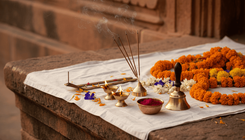
Navaratri means nine nights, and each night honours one of the nine forms of Durga known as the Navadurga. These nine forms represent different aspects of the divine feminine power—shakti—that the goddess uses to protect the world from chaos and harm. Understanding the nine forms of Durga helps you appreciate what each day of the festival celebrates, whether you fast during Navaratri, visit a temple, or worship at home.



Shailaputri: The Daughter of the Mountain
Shailaputri, the daughter of the mountain, is worshipped on the first day of Navaratri. She is the form of Durga born to Himavan, the god of the mountains, as his daughter. Shailaputri rides a bull and holds a trident in one hand and a lotus in the other. She represents the beginning of the goddess's power and the fertile earth beneath us. The name itself—Shaila meaning mountain and Putri meaning daughter—connects her to the foundation of the world. Her worship opens Navaratri and sets the intention for the nine days ahead. Many traditions say that worshipping Shailaputri brings stability and removes obstacles from the path of devotees.
Brahmacharini: The Ascetic Goddess
The second form is Brahmacharini, who is worshipped on the second day. Brahmacharini means "one who practises austerity," and she represents the path of devotion and discipline. In this form, Durga practised severe tapasya, or spiritual discipline, to gain the power to defeat demons. She holds a rosary in one hand and a water pot in the other, symbols of spiritual practice. Worshipping Brahmacharini is believed to bring courage, strength and peace to the mind. This form inspires devotees to pursue their own spiritual practice and inner growth during Navaratri.
Chandraghanta: The Goddess with the Moon-Shaped Mark
On the third day, Chandraghanta is honoured. Her name comes from Chandra, the moon, and Ghanta, the bell. She has a moon-shaped mark on her forehead and is often shown riding a tiger, ready for battle. Chandraghanta represents peace and radiance. She is believed to grant courage to those who face challenges and to bless new beginnings. Her worship is said to remove fear and bring serenity to the home and family. The sound of her bell is thought to alert the world to the presence of divine justice.
Kushmanda: The Creator of the Universe
Kushmanda is worshipped on the fourth day. The name Kushmanda comes from Ku, meaning a small measure, and Anda, meaning egg or universe—she is the creator who brought the universe into being with a smile. She is often depicted riding a lion with eight or ten arms, each holding a different object representing protection and abundance. Kushmanda represents creation itself and the warmth that sustains life. Her worship is believed to bring health, prosperity and divine light into the lives of devotees. She is especially honoured for bringing energy and vitality.
Skandamata: The Mother of Skanda
On the fifth day, Skandamata is honoured. She is the mother of Skanda, also called Murugan or Kartik, the god of war. Skandamata holds the child Skanda in her lap while riding a lion. She represents maternal love and protection. Worshipping Skandamata is believed to bring wisdom, especially to those seeking knowledge and education. Her form reminds us that the divine mother nurtures all beings with compassion and strength. Many students and scholars seek her blessings during Navaratri for success in learning.
Katyayani: The Warrior Goddess
Katyayani is worshipped on the sixth day. She was born to fulfil a specific purpose—to defeat a demon that other gods could not overcome. Her name comes from her father, the sage Katyayan. She rides a lion and carries weapons including a sword and a shield. Katyayani represents courage and righteous action. She shows that sometimes protection requires strength and a willingness to face down evil directly. Her worship is believed to bring confidence, determination and the ability to overcome enemies—both external and the obstacles within ourselves.
Kalaratri: The Dark Goddess of Destruction
The seventh day honours Kalaratri, often called the most fierce form of Durga. Her name means "dark night" or "the night of destruction." Kalaratri has a dark complexion, wears dark clothes and rides a donkey. She appears frightening, with fiery energy radiating from her body. Yet this frightening form serves a purpose: she destroys the ignorance and inner darkness that trap us. Kalaratri represents the destruction of ego and evil. Her worship is believed to protect devotees from harm and to burn away spiritual impurities. Many traditions teach that beneath her fearsome appearance lies compassion and the ultimate protection.
Mahagauri: The Goddess of Purity
On the eighth day, Mahagauri is worshipped. Her name means "the extremely white or pure one." She is often shown in white clothes riding a white bull or lion, radiating cleanliness and purity. Mahagauri represents peace and calm after the intensity of destruction. She is believed to fulfil all wishes and to bring mercy and forgiveness. Her worship is said to cleanse the mind and heart of all negative emotions and impurities. After the fierce power of Kalaratri, Mahagauri's gentle energy brings balance and healing.
Siddhidatri: The Bestower of Spiritual Perfection
The ninth and final day honours Siddhidatri, the goddess who grants spiritual perfection and supernatural powers. Her name means "the giver of perfection or siddhi." She has four arms and sits on a lotus, sometimes riding a lion. Siddhidatri is believed to be the ultimate form through which all spiritual goals are achieved. Her worship on the last day of Navaratri is thought to complete the journey begun on the first day and to grant devotees the fruits of their nine days of worship. She represents the goal of all spiritual practice: perfect knowledge and lasting peace.
Common questions
Can I worship all nine forms at home, or should I visit a temple during Navaratri?
You can worship the nine forms both at home and in temples. Many families set up a small puja space at home where they meditate on each form daily, while also visiting temples for community celebrations. The practice is flexible and adapts to your circumstances.
Which form of Durga should I focus on if I am fasting during Navaratri?
You do not need to focus on a specific form based on fasting. Most people honour all nine forms over the nine days in order, one per day. If you are fasting, you can dedicate each day's fast to the form being worshipped that day, which many devotees find meaningful.
Is the order of the nine forms the same in all regions of India?
Yes, the order of the Navadurga—from Shailaputri on day one to Siddhidatri on day nine—is followed across India during Navaratri, though regional traditions may emphasize different forms or add local practices to their celebrations.

Related Articles


