
What is a vrat and how is fasting observed
Self-discipline, devotion, and inner clarity through fasting
Dharmayana
29 Sep 2026 • 6min
A vrat is a fast or vow undertaken as a spiritual practice. In the Hindu tradition, a vrat is not simply about restraining appetite. It is a deliberate act of self-discipline, usually undertaken to honor a deity, mark a sacred day, fulfill a personal intention, or cultivate inner strength. Some people fast completely—taking no food or water—while others follow gentler forms of dietary restriction. The word vrat comes from Sanskrit and carries the sense of a disciplined undertaking or commitment.
Vrats are woven into the rhythm of the Hindu calendar. Many follow the lunar months and festivals that mark important occasions in mythology and spiritual life. For many practitioners, a vrat is not an occasional act but a regular and meaningful part of their devotional life.



Why people observe a vrat
The reasons for keeping a vrat are as varied as the people who practice it. Some undertake a vrat to seek blessings from a particular deity or to gain their protection. Others fast during festivals dedicated to that deity as an act of reverence and participation in a shared observance. A vrat can also be a personal intention—a mother might fast for her child's wellbeing, or someone might keep a vrat to seek clarity during a difficult time.
For many, the vrat is a form of tapasya, or disciplined effort directed toward spiritual growth. By restraining the body's desires, the mind becomes quieter and more focused. This inward turning can deepen one's sense of connection to the sacred. It is a practical acknowledgment that controlling the senses is part of spiritual practice.
Some vrats are undertaken to fulfill a specific need—health, prosperity, the birth of a child, or resolution of a problem—with the faith that sincere practice brings results. Others are kept as an expression of gratitude or as part of a wider spiritual path.
The main forms of fasting
Not all fasts are the same, and the Hindu tradition recognizes different levels of restriction suited to different people and purposes.
Nirjala vrat is a complete fast in which the practitioner takes no food or water for a full day or longer. This is considered the most rigorous form and is often undertaken on important festivals or as a particularly intense spiritual practice. It demands physical resilience and is not suitable for everyone.
Phalahar or fruit fasting is a lighter approach. The person refrains from grains and cooked food but may consume milk, yogurt, fruit, nuts, and other simple foods. This form allows the body to rest from digestion while still receiving nourishment. It is widely practiced and accessible to most people.
Some people keep partial fasts, eating once a day or restricting themselves to simple, easily digested food. Others give up particular items—meat, salt, sugar, or oil—as their form of vrat.
Upavasa is another term sometimes used for fasting, and it can range from a simple meal in the evening to more complete abstention depending on one's capability and the nature of the vrat.
The form of fast chosen often depends on the occasion, one's health, and one's existing commitments. The Bhagavad Gita speaks of the balance needed in all practices. A vrat is meant to strengthen the spirit, not to harm the body. Pregnant women, the very young, the elderly, and those with health conditions are traditionally not expected to fast in their full intensity, or are advised to modify the practice.
Daily practice during a vrat
A vrat is not a day of withdrawal from the world. Many people continue their work and daily responsibilities while observing one. The fast becomes a constant, quiet reminder of intention.
The day often begins with cleanliness—a bath or shower—to prepare the body and mind. Many then spend time in prayer or meditation, visiting a temple or creating a simple space for practice at home. Reading or listening to stories connected to the deity or festival—often from the Puranas or other sacred texts—is common and sustains the spiritual focus.
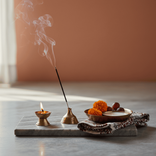
Some people recite mantras or hymns connected to the deity they are honoring. Others perform small rituals or pujas in their home, making offerings of flowers, incense, or food (which others will eat) and sitting in quiet devotion.
The practice need not be elaborate. Even a few moments of focused intention each morning can anchor the vrat throughout the day. The point is to keep the mind turned toward the purpose of the fast, not merely to endure hunger.
When the fast is broken
The vrat concludes when the designated time ends, usually at sunset or the following day, depending on the type of fast. Breaking the fast is called parana, and the practice of how to do it matters.
The first food after a complete fast is usually light and easily digestible—fruit, milk, or a simple preparation of rice and ghee. The idea is to reintroduce food gently, allowing the digestive system to return to normal gradually. Breaking a fast abruptly with heavy food can cause discomfort.
Many people break their fast in the presence of the deity or in a temple, acknowledging gratitude for the completion of the practice. Some share food with others as part of the observance, turning the end of the fast into a moment of connection and gratitude.
Vrats in daily life
The vrat is not confined to major festivals. Throughout the lunar calendar, different deities and occasions are associated with their own vrats. Some people keep a vrat on a particular day each week—Mondays for Shiva, Fridays for the goddess Durga, or other days according to their tradition and choice.
A vrat can also be personal. An individual might keep a vrat each year on a significant date, or whenever they feel the need to ground themselves, seek clarity, or express gratitude. The practice is flexible enough to fit into modern life while retaining its spiritual meaning.
What matters is that the vrat remains connected to intention and awareness. The restraint of the body, accompanied by a focused mind and an open heart, creates the conditions for inner change. Whether observed once or woven through the year, a vrat remains one of the most direct ways to experience the strength that comes from discipline and devotion.

Related Articles


