
What is ashwagandha and how is it taken
The root of balance, steeped in time

Dharmayana
01 Oct 2026 • 6min
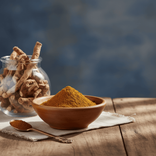
Ashwagandha is an herb used in Ayurvedic medicine for thousands of years to help the body manage stress and build strength. In English it is sometimes called Indian ginseng or winter cherry, though the Sanskrit name—meaning "the smell of a horse"—refers to both the plant's odour and the vigour it was believed to give. Today it is taken as a powder, a tablet, or a liquid extract, either in warm milk or water. Many people use it as part of their daily routine to support rest, resilience and overall wellbeing.
The plant grows in the dry regions of India, and is known scientifically as Withania somnifera. The root is the part most commonly used in medicine. In Ayurveda, ashwagandha is classified as a rasayana—a category of herbs thought to nourish the body's tissues and support longevity. It is warm in nature and is said to work particularly well for people with a Vata imbalance, though it can be used across different constitutions.



The plant and how Ayurveda uses it
Ashwagandha is a small shrub with yellow flowers and red berries, native to the arid zones of India, particularly in Rajasthan and Madhya Pradesh. The name Withania somnifera reflects its history: "Withania" is the genus name, and "somnifera" means sleep-inducing, from the Latin. In Ayurvedic texts, ashwagandha appears as a trusted remedy for supporting both physical and mental strength.
Ayurveda describes ashwagandha as having warming, grounding properties that calm the nervous system. In the traditional system of health, the herb is thought to work by balancing Vata—the dosha associated with movement, change and, when imbalanced, anxiety and restlessness. By bringing stability, it is said to help both the mind settle and the body recover from strain.
Why people take ashwagandha
In Ayurvedic practice, ashwagandha is used to address tiredness and stress, to support sleep, and to help maintain strength during demanding periods. It is also taken to promote recovery after illness, and to support joint and muscle health. Some people add it to their daily routine not because they have a specific complaint, but as a preventative measure—as part of building resilience.
The herb is particularly popular among those who work long hours or carry mental stress. Because it is warming and grounding, it is often recommended during Vata season (autumn and early winter), when the dry, changeable qualities of the season can aggravate the nervous system. Many practitioners suggest taking it for a sustained period—typically several weeks to several months—rather than as an occasional remedy.
How ashwagandha is prepared and taken
Ashwagandha is most commonly taken as a powder made from the dried root. This powder can be mixed into warm milk (often with a pinch of spice like cardamom or cinnamon) and drunk before bed or in the morning. A typical daily amount is between a quarter and half a teaspoon, though this varies depending on the individual and the specific guidance of a practitioner.
The powder can also be stirred into warm water, or mixed into food. Some people prefer to take it as a tablet or capsule, which may be more convenient, though practitioners often suggest that the whole herb in powder form works more gently and effectively than an isolated extract.
Ashwagandha is sometimes combined with other Ayurvedic herbs. Shatavari, another rasayana, is often taken alongside it, particularly if support for the female reproductive system is desired. Brahmi, a cooling herb that supports mental clarity, is paired with ashwagandha when both grounding and a clear mind are the goal.
When to take it and what to expect
Most commonly, ashwagandha is taken in the evening or at night, mixed into warm milk, because its grounding quality supports rest and sleep. Some people take it in the morning instead. The warmth of the liquid is important—cold or room-temperature preparations are considered less effective in Ayurvedic practice.
The effects of ashwagandha build gradually. You may notice changes within a few weeks, such as a quieter mind at the end of the day, better sleep, or a sense of steadiness. Others find the shift more subtle. Consistency matters: it is more effective as a daily practice than taken sporadically. A course of ashwagandha is often continued for at least two to three months to feel its full benefit, though some people incorporate it into their year-round routine.
Knowing when ashwagandha may not be right
Ashwagandha is warming and can be too much for someone with Pitta imbalance—those who tend towards heat in the body, acid reflux, or inflammatory conditions. It is also considered unsuitable during pregnancy, as it can stimulate the uterus. If you are taking prescription medicines, particularly those for thyroid conditions or the nervous system, speak with a healthcare provider before starting ashwagandha, as it may interact.
Because ashwagandha is a relaxing herb, some people feel drowsy if they take too much, or at the wrong time of day. If this happens, try reducing the amount or taking it earlier in the evening. If you have an acute, high Pitta condition—severe inflammation, fever, or very hot skin—it is best to wait until this has cooled before starting ashwagandha.
How to take ashwagandha powder
- Choose your time Plan to take ashwagandha in the evening or at night, typically 30 to 60 minutes before bed, or in the early morning if that suits you better. Most people find evening more effective for sleep support.
- Warm your milk or water Heat a cup of milk (dairy or plant-based) or water to a comfortable warmth. Do not boil it; gently warm it so it is pleasant to drink.
- Measure the powder Use between a quarter and half a teaspoon of ashwagandha powder. If you are new to it, start with a quarter teaspoon to see how your body responds.
- Mix well Stir the powder into the warm liquid until it is dissolved. You can add a small pinch of cardamom, cinnamon, or honey if you like; these spices complement ashwagandha and can enhance its effects.
- Drink mindfully Drink it slowly while the liquid is still warm. Pause for a moment and set an intention if it feels right to you—this simple act makes the practice more grounding.
- Be consistent Take ashwagandha at the same time each day. Consistency matters more than occasional large amounts; daily practice over weeks builds the benefit.
Common questions
How long does it take for ashwagandha to work?
Most people notice changes within two to four weeks of daily use, though some feel effects sooner. The benefits tend to build gradually and become more noticeable over two to three months of consistent practice.
Can I take ashwagandha every day?
Yes, ashwagandha is designed to be taken daily as a tonic herb in Ayurveda. Many people take it year-round or during the seasons when they most need grounding—particularly autumn and winter.
Is ashwagandha safe to take with other herbs or medicines?
Ashwagandha can interact with certain medications, particularly thyroid medicines and some nervous system drugs. Always check with a healthcare provider before combining ashwagandha with prescription medicines or other supplements.

Related Articles


