
What is charanamrit and why is it taken
Blessed Feet, Blessed Water, Blessed Life

Dharmayana
01 Oct 2026 • 6min
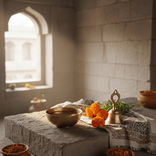
Charanamrit is the water that has been offered to the feet of a deity during puja, or worship ritual, and then distributed to devotees as a blessed offering. The name means "nectar of the feet"—charan (feet) and amrit (nectar or immortal drink). When you take charanamrit, you are receiving something that is believed to carry the grace and blessings of the deity through direct contact. It is one of the most common offerings you will receive when you visit a temple or participate in a puja ceremony.
The practice of taking charanamrit is rooted in the idea of receiving the deity's prasad, or sanctified gift. In Hindu worship, anything that has been offered to the deity is believed to be spiritually charged and is given back to the devotee as a sign of blessing. Because the deity is understood to be present in the water through the ritual, charanamrit becomes a channel for receiving divine grace. Many devotees take it with reverence, often touching it to their forehead or drinking it directly.



How charanamrit is prepared
Charanamrit is prepared during puja in a simple but specific way. First, a small bowl or vessel is filled with water. The priest or pujari then performs the ritual steps of worship—ringing the bell, offering flowers and incense—while the water sits before the deity. At a key moment in the puja, often after the arati (the waving of lamps before the deity), the water is formally offered to the deity's feet. In some temples, the priest literally pours the water over the feet of the deity's image or murti. In others, the water is simply placed in front of the deity with the intention that it receives the deity's blessing through their presence.
The water itself may be plain, or it may have been mixed with tulsi leaves, flowers, or rose water beforehand. Some temples add a few grains of sugar to the water. The exact method varies by temple tradition and by the deity being worshipped. What matters is not the ingredients but the ritual intention: that the water is consecrated through the puja process and carries the deity's grace.
Why devotees take charanamrit
Devotees take charanamrit for several interconnected reasons, all centred on receiving blessings and grace from the deity. First, it is a tangible way of accepting the deity's prasad—the return gift of worship. When you make an offering to the deity during puja, you are expressing devotion and asking for blessing. When the deity's prasad is returned to you—whether as charanamrit, flowers, or blessed food—you are receiving acknowledgement of that devotion. Taking charanamrit completes the cycle of offering and receiving.
Second, charanamrit is understood to carry spiritual benefit through direct contact with the deity. Many devotees report feeling a sense of peace, clarity or healing after taking it, though these experiences are understood through the lens of faith and spiritual practice rather than medical claims. The water is believed to purify the body and mind, and to strengthen one's connection with the deity. Some people take it when seeking healing from illness, others when facing difficult decisions or life transitions. In all cases, the intention is to align oneself with the deity's grace and wisdom.
Third, taking charanamrit is an act of bhakti—of devotion and surrender. It is a physical gesture of humility: you are acknowledging that something outside yourself is sacred and worthy of reverence, and you are willing to receive from it. This attitude of openness and surrender is central to devotional practice in Hinduism.
How charanamrit differs from panchamrit
It is worth noting the difference between charanamrit and panchamrit, as both are blessed offerings you may encounter in temple or home puja. Panchamrit—meaning "five nectars"—is a sweet mixture typically made from five ingredients: milk, yoghurt, ghee, honey and sugar. It is offered to a deity during puja and then distributed to devotees as prasad. Panchamrit is often used in rituals to the Shivalinga (the stone form of Shiva) and is common in South Indian temples.
Charanamrit, by contrast, is specifically the water offered to the deity's feet. It is simpler in composition and is understood to be blessed through direct contact with the deity rather than through a particular recipe. Both are prasad, and both are blessed offerings, but they carry different ritual significance. In some temples, you may receive both during the same puja. Panchamrit is usually drunk or tasted, while charanamrit is taken similarly but is sometimes also used to anoint the forehead.
Taking charanamrit with respect
When you take charanamrit at a temple or during a puja, there is a customary way to receive it respectfully. The priest or a temple helper will offer it to you, usually by pouring a small amount into your cupped palm. You then bring your hand to your mouth and drink or sip it. Some people touch a small amount to their forehead first, or to both eyes, as a gesture of respect. After taking it, it is customary to briefly bow or touch your palms together in gratitude.
There is no rigid rule about how much to take or exactly how to receive it. The important thing is to approach it with reverence and intention. Some people take it as a practical blessing for good health or clear decision-making. Others take it simply as an act of participation in the puja and connection with the deity. Both approaches are valid. If you are uncertain about the custom at a particular temple, watching what others do is a natural and respectful way to learn.
Why it matters in daily devotion
For many people, taking charanamrit is a regular part of temple visits and home puja. The ritual is small but meaningful: it is a moment where the abstract idea of the deity's grace becomes something concrete that you can receive with your own hands. This physical dimension of worship is an important part of Hindu practice. It grounds spiritual experience in the body and in direct relationship with the sacred space of the temple or home altar.
Charanamrit also reminds us of the role of the guru or priest in spiritual practice. The pujari or family elder who prepares and offers the charanamrit is acting as a channel between the devotee and the deity. This tradition of receiving teaching and blessing through a living guide is central to Hindu practice across many different lineages.
Common questions
Can I take charanamrit if I don't believe in it?
Yes. Many people take charanamrit out of respect for temple custom and community practice, regardless of their personal beliefs about its spiritual power. Approaching it with an open mind and respect for the ritual is what matters.
Is there a right time to take charanamrit during puja?
Charanamrit is usually distributed after the main puja is complete, often after the arati. The priest will offer it to devotees at that point, so you simply take it when it is presented to you.
Can I prepare charanamrit at home?
Yes, many families prepare charanamrit for home puja by offering water to the deity image with the same reverence used in temples. The ritual intention and devotion matter more than the setting.

Related Articles


