
What is dhyana and how to begin meditating
Steady stillness, the gateway within
Dharmayana
29 Sep 2026 • 6min
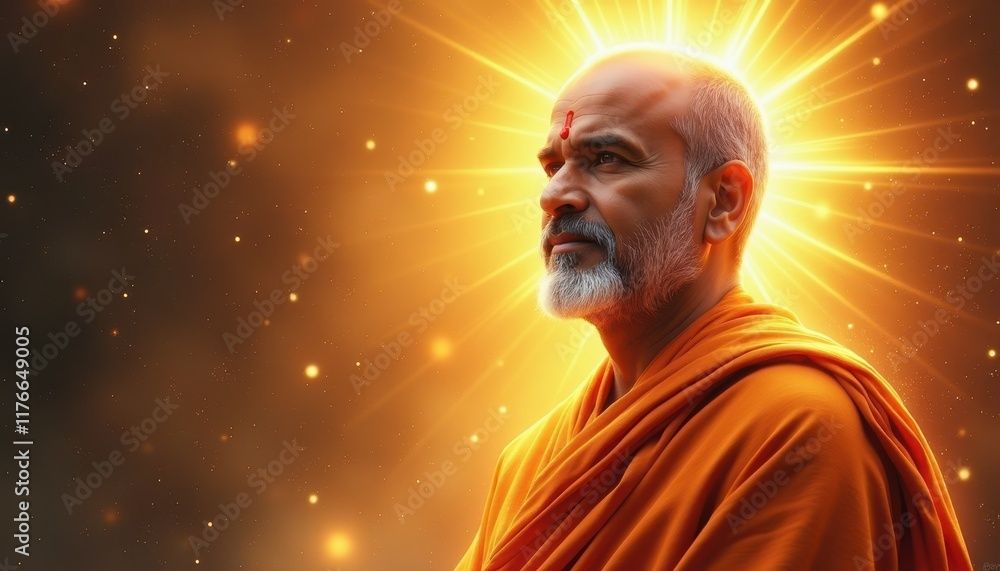
Dhyana is meditation—a focused stillness of mind that forms one of the cornerstones of yogic practice. The word itself means "to contemplate" or "to meditate", and it describes a state where your attention rests unwaveringly on a single point: a mantra, your breath, a visual form, or a subtle sensation. Unlike daydreaming or ordinary thinking, dhyana is disciplined attention. It is part of the eight-fold path of yoga outlined in ancient texts, and it remains one of the most practical tools available to anyone seeking inner calm and clarity.
If you have tried to sit quietly and found your mind scattering like wind-blown leaves, you have felt the need for dhyana. This article will help you understand what it is and how to begin.



The place of dhyana in yoga
Yoga is often understood as physical postures, but in the classical texts it is much wider. The eight limbs of yoga—a framework described in the Yoga Sutras—include ethical disciplines, physical practice, breath work, and finally the practices of the mind. Dhyana sits among these mental disciplines. It comes after dharana, which is concentration: the effort to hold your mind on one thing. Dhyana is what happens when that effort becomes effortless. Your attention stays steady without strain, like a lamp flame protected from the wind, burning with a constant glow.
The distinction matters, because many people beginning meditation confuse concentration with meditation. Concentration is active and can feel strenuous. Dhyana is a deeper settling, a natural flowing of attention towards its object. Both matter; concentration is the way into dhyana.
What dhyana is not
It helps to be clear about what dhyana is not, because there is much confusion in modern meditation culture.
Dhyana is not emptying the mind entirely, though that is a common misconception. In fact, the mind never becomes completely blank. In dhyana, the mind is occupied—held gently on a chosen focus—but without the churn of random thoughts that usually fills awareness.
Dhyana is not about blissing out. It can be peaceful, yes, and many people find deep quiet in meditation. But the goal is clarity and steadiness, not pleasure. Sometimes dhyana is quite plain: you are simply aware, present, observing. That plainness is valuable.
Dhyana is not a substitute for therapy or medical treatment. It is a spiritual and wellbeing practice that can ease stress and foster insight, but it does not replace professional care where that is needed.
Beginning a practice: preparation and posture
To begin meditating, you do not need anything exotic. You need a quiet place, a few minutes, and a body position you can hold without discomfort.
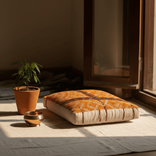
Posture matters in dhyana because the body and mind are connected. When the spine is upright and the body at ease, the mind settles more readily. You can sit on the floor—on a cushion, with legs crossed or in one of the seated asanas you may know—or you can sit on a chair with both feet on the ground. The key is that your back is straight, your shoulders relaxed, and your hands resting on your lap or thighs. You are not stiff or rigid; you are alert but at rest.
Do not meditate when you are very full from eating or extremely tired, as both states cloud the mind. Early morning is often best, when the mind is fresh and the household is quiet. Even ten or fifteen minutes is enough to begin.
Choosing and maintaining focus
The object of your dhyana can be many things. Some people meditate on a mantra, silently repeating a word or phrase—perhaps a Sanskrit sound like "Om" or a meaningful affirmation in any language. Others focus on the breath, watching the natural flow of inhalation and exhalation. Some visualise a form—a candle flame, a flower, a shape of light. Others work with sensation: the feeling of the body sitting, the contact of the breath in the nostrils.
There is no single best choice. What works is what draws your attention naturally and holds it. If you are drawn to sound and rhythm, a mantra may suit you. If you are more visual, a flame or image might be easier. If your mind is restless, breath awareness can give you an anchor you can feel moment to moment.
Choose one method and stay with it for long enough to learn it—at least two or three weeks—before changing. Consistency builds the subtle pathways of practice. Moving between techniques too quickly means you never settle deeply into any of them.
When thoughts arise
If you sit to meditate expecting a blank mind, you will be disappointed. Thoughts and images will arise. This is not failure; it is normal and it happens to everyone. The untrained mind is busy, full of plans and memories and half-formed worries.
In dhyana, when a thought arises, you notice it and gently bring your attention back to your chosen focus. You do not fight the thought or judge yourself for having it. You simply return. This is the practice: not the absence of thoughts, but the gentle, repeated return.
Over time—weeks, months—you will notice that thoughts arise less frequently and that the gaps between them grow wider. There is less struggle. This quieting is not achieved by force but by the natural settling that comes with patient, repeated turning back to your focus. Your mind learns, gradually, to rest.
Building a daily practice
Dhyana is not something you master once and then possess. It is a practice, which means you return to it again and again. Even a short daily meditation—ten to twenty minutes—will yield benefits that are noticeable within weeks: better sleep, less anxiety, sharper thinking, a steadiness that carries into your day.
Begin now. Sit tomorrow morning, or this evening. Sit in a quiet place. Choose your focus—breath or mantra, whatever appeals to you—and rest your attention there for ten minutes. When your mind wanders, bring it back. Do this again the next day. Do it the day after that.
This is how dhyana begins: not with understanding or theory, but with sitting.

Related Articles


