
What is Guru Purnima and why is it observed
Honour the teacher within and beyond
Dharmayana
29 Sep 2026 • 5min
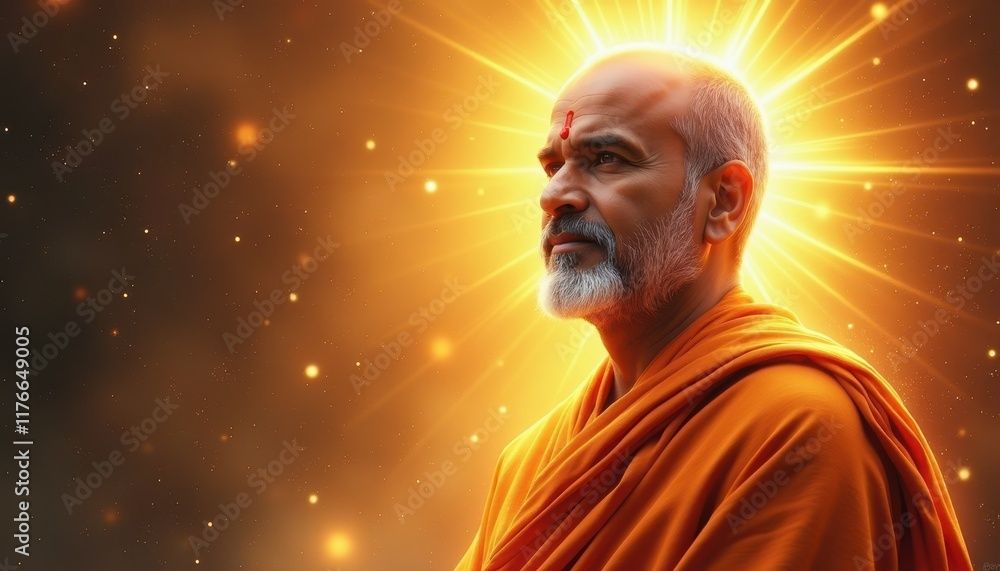
Guru Purnima is a day set aside to honour teachers and the wisdom they share. It falls on the full moon of the lunar month of Ashadh, and across India it marks the moment when people bow to their gurus—spiritual teachers, philosophers, mentors and guides. Whether you follow a particular lineage, work with a teacher, or simply recognise the guru principle itself as something sacred, Guru Purnima invites you to pause and offer gratitude.
The word guru means "one who dispels darkness". Gu is darkness and ru is light; a guru is the one who takes you from ignorance to knowledge, from confusion to clarity. A teacher does this work not always through words, but through presence, example and the transmission of what they know and how they live. Guru Purnima celebrates this principle in all its forms.



The day itself and what makes it special
Guru Purnima is observed on the full moon day of Ashadh, the fourth month of the lunar calendar. This timing is significant. The monsoon has just begun or is about to; the earth is being washed and renewed. It is a moment of beginning, of gestation, of new growth. The full moon itself—bright, complete, illuminating—mirrors what a guru does: reflects light so that you can see.
In South India you may hear the day called Vyasa Purnima, honouring Veda Vyasa, the sage who is credited with composing and arranging the Vedas and the Mahabharata. In North India and across much of the country, the focus is broader. The day honours all teachers and the guru lineage itself. Different communities mark it in different ways, but the underlying impulse is the same: acknowledgment and reverence.
The traditions around Guru Purnima
On this day, students and seekers typically make offerings to their guru—flowers, fruit, sweets or simple gifts. Some perform guru puja, a ritual of worship that involves bathing the guru's feet (or an image of them, or the guru's seat), offering flowers, incense and food, and receiving blessings. This is not worship as you might worship a deity; it is an act of recognition, humility and gratitude.
In ashrams and spiritual communities, Guru Purnima is often marked with meditation, satsang (spiritual gatherings where teachings are shared), and collective meals. Some people fast or keep a simple diet as a mark of respect. Others simply sit with their guru or contemplate the teachings they have received.
If you don't have a formal guru but feel drawn to the principle—the idea that wisdom comes through relationship with someone who has walked the path before you—you might use this day to reflect on the teachers who have shaped your thinking: a parent, a grandparent, a writer, a mentor, someone whose example moved you. The day need not be confined to the ashram or the initiated seeker.
Why teachers matter in the Indian tradition
In Sanatan Dharma, the guru holds a place that Western education does not always give to teachers. A guru is not simply someone who delivers information. The guru-shishya (teacher-student) relationship is understood as a profound one, in which the teacher takes responsibility for the student's growth not just in knowledge but in character and spiritual unfoldment. The guru transmits shakti—the power or grace that comes from their own realisation and practice.
The Upanishads, ancient texts exploring the nature of reality and the self, repeatedly describe seekers going to the forest or the ashram of a guru to sit at their feet and absorb truth not through explanation alone but through being in the presence of one who embodies it. This relationship is held to be essential. You cannot realise truth from books alone; you need a guide who has walked that territory and can show you the way.
Guru Purnima honours this understanding. It says: the teacher matters. The transmission of wisdom from one person to another, face to face, matters. The relationship of trust and humility between student and guide is sacred.
Observing Guru Purnima for yourself
You don't need to belong to a specific lineage or have spent years in an ashram to observe Guru Purnima meaningfully. If you have a teacher—whether in yoga, music, art, spirituality or any domain—this is a day to express gratitude. It might be as simple as writing them a note, or setting aside time to reflect on how they have shaped your practice and understanding.
If you don't have a formal guru but the role appeals to you, Guru Purnima can be a prompt to begin looking. Many ashrams and spiritual teachers hold special programs on this day, welcoming newcomers. Some offer online satsangs or teachings accessible to anyone.
Even if you prefer to stay private, you can use the day for personal reflection: Who has taught me? What knowledge or skill has changed my life? What do I owe to the examples that have shaped me? To whom might I owe gratitude, spoken or unspoken? These questions are at the heart of Guru Purnima.
The day reminds us that learning doesn't end, and neither does the need for guides. It is an invitation to step back from the illusion of self-sufficiency and acknowledge the web of wisdom we inherit and inhabit.

Related Articles


