
What is Karva Chauth and how is the fast kept
A Fast for Wellbeing, Observed with Joy
Dharmayana
29 Sep 2026 • 6min
Karva Chauth is a day-long fast observed by married women in North India, traditionally kept for the wellbeing and long life of their husbands. It falls on the fourth day after the full moon in the month of Kartik, which usually arrives in October or November. The fast runs from before dawn until the moon rises in the evening, when women break their fast after seeing the moon and, often, after their husbands have seen them do so.
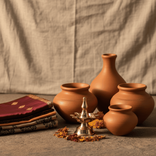
The word karva refers to an earthen pot, and chauth means fourth. The fast has been observed for centuries across the northern plains and has become woven into the fabric of married life for many Hindu women, though like all practices its forms vary by family, region and individual choice.
Karva Chauth is more than a single ritual. It is a day that brings together fasting, prayer, preparation, and time spent with other women. For many, it is a day marked by festivity as much as devotion.



Why women observe Karva Chauth
The core reason for observing Karva Chauth is to pray for the long life and wellbeing of one's husband. In the Hindu worldview, a wife's spiritual practice and intention can create benefit for those she loves. The fast is a form of this practice - a voluntary abstinence undertaken with focus and prayer.
For many women, Karva Chauth is not only about the husband but about cherishing the marriage itself, and about being part of a community of women doing something together. The day has social and emotional dimensions that matter as much as the ritual ones.
Some women also observe the fast for their own wellbeing, or for the health of other family members. The practice is not rigid in intent, and intentions vary from woman to woman and year to year.
What the fast involves
A Karva Chauth fast begins before sunrise and lasts until moonrise. Women typically wake early and eat a light meal called sargi before dawn. Sargi usually includes sweets, fruits, nuts and sometimes bread or savoury items. Exactly what sargi contains varies by family and region - there is no prescribed list, though milk, semolina halwa, and dried fruits appear often.
After the sargi meal, women abstain from food and water for the rest of the day until the moon is sighted and the fast is broken. Some women also do not eat during the night before, making it a longer period of fasting.
Throughout the day, women often gather with family members or friends. Many apply henna to their hands, wear new clothes or jewellery, and prepare themselves for the evening. Some tell stories, listen to the Karva Chauth tale, or spend time in prayer.
In the evening, women dress carefully and gather to watch for the moon. Once the moon appears, they perform an aarti - a ritual of prayer with a lamp - and break their fast by eating sweets, fruits, or a meal. Often the husband feeds his wife the first morsel after the fast, though this too varies by family practice.
The Karva Chauth story
Associated with Karva Chauth is a story that many women hear and retell on this day. The most common version tells of a devoted wife whose husband dies while she is away from home. In her grief, she cannot accept that he is gone and carries on as if he were still alive. Through her strength, will, and devotion, her husband is restored to her.
Different versions of this story exist, and regional variants are told across North India. The story holds the idea that a woman's love and spiritual practice have real power - that her commitment can protect and preserve. Whether understood literally or as a teaching about devotion and inner strength, the story shapes how many women think about the fast.
Who observes Karva Chauth
Karva Chauth is traditionally observed by married Hindu women. Unmarried women and widows do not usually observe it, though individual practice varies. In some families, daughters who are engaged to be married may keep the fast for the first time before their wedding.
In modern times, some women who do not fit these categories choose to observe it anyway - for their own reasons, or to mark the day with family. Some men also fast alongside their wives, or break the fast together. The boundaries of the practice have become less fixed than they once were.
The fast is most common in North India, particularly in Punjab, Haryana, Uttar Pradesh, Rajasthan, and parts of Gujarat and Madhya Pradesh. It is less widespread in South or Eastern India, though some communities in those regions observe versions of it too.
Preparing for the day
Preparation for Karva Chauth begins a few days before. Women often buy new clothes, jewellery, bangles, or henna. Grocery shopping for sargi and for the meal to break the fast is part of the lead-up. Markets bustle in the days before the festival, full of women making these preparations.
On the morning of Karva Chauth, women wake early to eat sargi before sunrise. Some serve this meal to each other in their families; some eat together as a group of women in the home. After sargi, the fast begins in earnest.
The day itself is usually spent at home, though some women go to work or college and keep the fast there. The emotional and social rhythm of the day - the conversations with other women, the stories, the anticipation of moonrise - is as much part of the observance as the fasting itself.
Making the fast your own
Karva Chauth is a living practice, and how any individual woman keeps it depends on her own beliefs, circumstances, and family customs. Some women observe it every year. Others keep it when they are married but choose not to after some years. Some observe it without fasting, or break the fast at a different time. Some do not keep it at all.
If you are thinking about observing Karva Chauth for the first time, or observing it differently, there is no single right way. The tradition is flexible enough to hold many approaches. What matters is that the practice feels true to your own understanding and intention.

Related Articles


