
What is Makar Sankranti and how is it celebrated
Sun's turn, season's turn, hearts turn to sweetness
Dharmayana
29 Sep 2026 • 6min
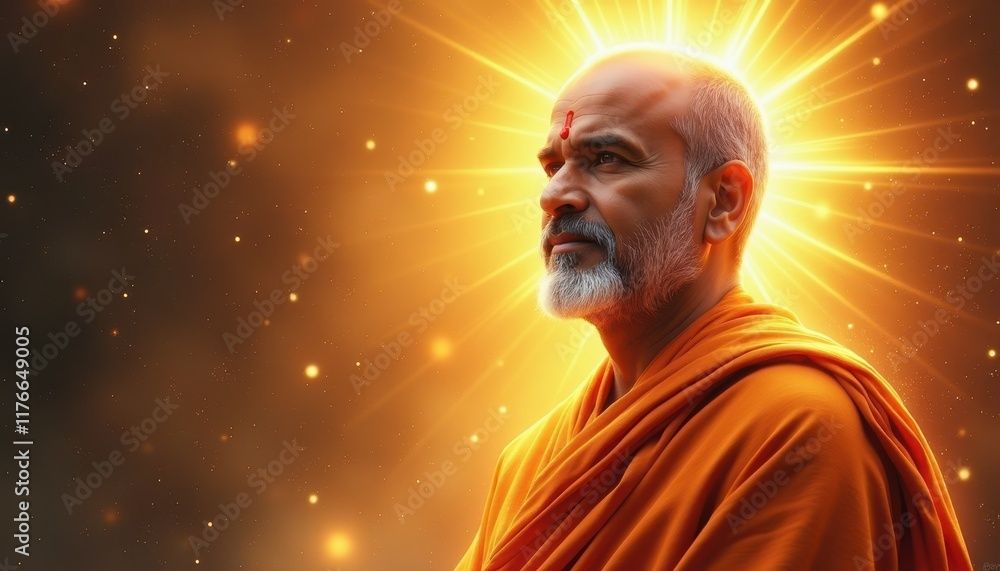
Makar Sankranti is a harvest festival that marks the sun's transition into the zodiac sign of Makara (Capricorn). It falls on the same date each year in the Gregorian calendar—usually 14 or 15 January—because it is tied to the sun's movement rather than to the lunar calendar that determines most Hindu festivals. In many parts of India, it is one of the few festivals whose date remains fixed, making it easier to plan for than celebrations that shift by weeks from year to year.
The festival celebrates a turning point. The sun begins to move northward, a period called Uttarayan in Sanskrit, bringing longer days and marking the start of spring in the agricultural cycle. In this movement, there is both a literal warming and a symbolic shift: the beginning of a season associated with growth, harvest, and renewal.



The meaning of Makar Sankranti
Makar Sankranti is first a festival of transition. In Sanskrit, Sankranti means "passage" or "crossing"; Makar is the tenth sign of the zodiac. The festival acknowledges the sun's crossing from one sign to the next, a moment marked not just in ritual calendars but in everyday astronomy. You can feel it: the days lengthen, the air shifts, the earth turns towards abundance.
In the Hindu tradition, this crossing holds spiritual weight. The Uttarayan period—the six months during which the sun moves northward—is considered auspicious for spiritual practice. Many people choose this time to begin new endeavours. In some regions, important life events and rituals are preferred during Uttarayan.
The festival also carries a harvest significance. For centuries, Makar Sankranti has marked the time when the kharif crops are gathered and new seeds are sown. In agricultural communities, it is a natural moment of thanksgiving and celebration—a pause between labour and the promise of the season ahead.
Why til and gud are traditional
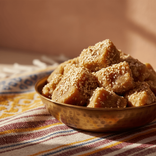
Walk into any home or sweet shop during Makar Sankranti, and you will see til and gud: sesame seeds and jaggery, often made into brittle or small round sweets. The pair has become so linked to the festival that many people exchange these sweets as a greeting, sometimes with the words "Til gud khao, man madhur ho jao"—"Take til and gud, and let your heart become sweet."
The pairing makes practical sense. Sesame and jaggery are both winter harvests in many parts of India; they are staple ingredients, nutrient-dense and warming. Ayurveda values til as particularly beneficial during the cold months, and gud as blood-building and nourishing. Making and sharing these sweets is a way of saying: I wish you health and warmth in the season ahead.
But the sweetness carries a deeper meaning too. The exchange of til and gud often accompanies a greeting for peace and good relations. Even in disputes, the gesture can carry a wish to resolve conflict and begin afresh. There is something about sweets—their generosity, their visibility, their immediate pleasure—that makes them an apt language for goodwill.
How the festival is celebrated across India
Makar Sankranti is observed in different ways across India, and the celebration often reflects both the local climate and local crops.
In North India, flying kites—patang—is the signature celebration. Rooftops come alive with colour, and the sky fills with diamond-shaped kites in red, yellow, green and gold. The practice has a competitive spirit; some kite runners try to cut down others' kites, a game called kite fighting. Alongside the kite flying comes the eating of til and gud, sesame brittle, peanut brittle and khichdi—a savoury mix of rice and lentils cooked with jaggery and spices.
In Maharashtra, the festival is called Makar Sankranti and is marked with the exchange of til-gud and the preparation of puran poli, a sweet flatbread. Many people bathe early in the morning and visit temples or water bodies, particularly rivers and lakes.
In Karnataka, the festival is known as Makar Sankranti or Makara Sankramana. People exchange puffed rice and jaggery, and prepare a mixture called pesaru, made from gur (jaggery) and sesame seeds.
In Tamil Nadu, the festival is called Pongal and holds even greater prominence, marked over several days with boiling rice in new pots and decorating homes with sugarcane and marigold flowers.
In Gujarat, it is known as Uttarayan and kite flying is central, with many towns and cities becoming seas of kites during this time.
In Punjab and other northern regions, Lohri is celebrated around the same time, with bonfires and the distribution of til and gur (jaggery), peanuts and popcorn.
The variations show how a single astronomical event—the sun's crossing—becomes woven into local practices, available ingredients, regional traditions and the specific needs of the land where it is celebrated.
Rituals and observances
Though Makar Sankranti is not typically a day of fasting or strict observance like Ekadashi (the eleventh day of the lunar fortnight, often observed with fasting), many people mark it with ritual bathing, especially in rivers or temples. Bathing in sacred water bodies like the Ganga is considered particularly auspicious on this day.
Giving food or alms during Makar Sankranti is a common practice. Many people prepare khichdi or other staple foods and offer them to those in need, or donate to temples and community kitchens. The act of giving is seen as aligned with the harvest season—a time of plenty that naturally calls for sharing.
Temples across India hold special pujas and processions during this period. In many places, prayers are offered to the sun god Surya, whose changing position is the reason for the festival.
For those practising yoga or meditation, Makar Sankranti marks a good time to deepen practice or take on new practices, since the Uttarayan period is considered energetically supportive for spiritual work.
When to celebrate and what to do
Makar Sankranti falls on 14 or 15 January each year. If you wish to mark it, begin with a warm sesame oil massage or bath—sesame is warming and grounding, fitting for both the season and the spiritual meaning of the day. Make or buy til-gud and share it with friends, family or neighbours, even with a simple greeting. This costs little and honours the tradition.
If you live in a place where kite flying is the custom, this is a good day to join in. If not, the essence of the celebration is available to you in smaller ways: eating seasonal foods, giving to someone in need, visiting a temple or river, or simply pausing to notice the lengthening light. The festival is ancient, but what it asks of us is simple: to mark the turn of the season, to wish each other well, and to remember that like the sun, we too are always moving—toward light, toward growth, toward something new.

Related Articles


