
What is naivedya and how to offer it
The sacred food gift at the heart of worship

Dharmayana
01 Oct 2026 • 8min
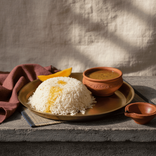
Naivedya is the food offering you place before a deity during puja. The word comes from the Sanskrit root meaning "to bow" or "to offer", and in practice it is the moment in worship when you give the deity food as a gesture of devotion, gratitude and service. After naivedya is offered, it becomes prasad—blessed food that you then eat or share with others. It is one of the six principal offerings made in most pujas, alongside flowers, incense, light and water.
Naivedya sits at a quiet point in the ritual where words step back. You have already invoked the deity, bathed them (in symbol or intention), dressed them, adorned them with flowers and fragrance. Now you offer food. The act says: I serve you as one serves a guest or a cherished person. I acknowledge your presence. This is why naivedya matters in worship, even in homes where the puja is simple and brief.



What kinds of food can be naivedya
Naivedya is typically a cooked or prepared food rather than raw ingredients. Rice, lentils, vegetables, fruit, sweets, and milk products are common choices. Many households offer khichdi (a simple rice and lentil dish), halwa (a sweet preparation), or seasonal fruit. Some offer specific foods connected to the deity being worshipped—tulsi leaves and fruit for Krishna, or milk sweets for Ganesha.
What matters more than the dish itself is that it should be:
- Prepared with attention and cleanliness
- Warm or freshly made, not stale
- A food you have cooked or selected, not something bought last-minute
- Something the deity is believed to accept (most deities accept most foods, but traditions vary)
Onion, garlic, and meat are typically avoided in naivedya across most Hindu practice, as these are considered tamasic (dull, heavy) or polluting in ritual contexts. Salt is included in the cooking but not offered separately in some traditions. If you are unsure what to offer at a particular shrine or temple, it is fine to ask the priest or keeper—they will tell you what is customary there.
Timing in the puja sequence
Naivedya comes at a specific point in the ritual structure. After you have invoked the deity and made offerings of flowers and incense, and after you have symbolically bathed and adorned them, you offer the food. This is usually followed by burning incense or waving a light (aarti) before the deity, and then you ring a bell to signal that the main offerings are complete.
In a temple setting, the priest performs these actions in sequence as part of the established ritual. In a home puja, you may do this yourself, often in front of a small altar or image. The sequence need not be elaborate—even a simple puja with flowers, incense, water and naivedya follows this general shape.
The time you offer naivedya matters too. Many households offer naivedya at specific hours, often in the morning when the deity is first worshipped, or at midday. In temples, naivedya is offered at set times according to the temple schedule. Some traditions offer naivedya twice a day.
How the offering becomes prasad
After naivedya is placed before the deity, it is traditionally left there for a few moments—enough time for the deity to symbolically consume it, or to bless it with their presence. This is not literally eating; it is an act of grace. The food is then brought down from the altar or shrine, offered back to the worshipper, and eaten as prasad.
Prasad is never treated as ordinary food. You receive it with respect, often with the right hand or both hands. Many people eat the entire portion without leaving any, as it is considered blessed. If you cannot finish it, it is wrapped and eaten later, or given to another person or animal. It is not thrown away.
In a temple setting, the prasad may be a small portion of the naivedya, distributed to everyone present at the puja. In a home shrine, you and your family share it. Either way, the act of eating prasad is itself part of the worship—a way of taking the deity's blessing into yourself.
Naivedya in different traditions and settings
In many Hindu homes, naivedya is a daily practice. Even if the puja is very brief—just flowers, water and a prayer—many people offer food as well. In temples, elaborate naivedya offerings are prepared in the kitchens attached to the shrine, and the temple cooks (often given the title "sevak" or servant) treat the preparation as a sacred act.
Different regions and sampradays have different customs. In South India, especially in Tamil and Kannada temples, naivedya often includes rice cooked with ghee and spices, or rice mixed with jaggery and ghee. In many North Indian homes, khichdi or halwa is common. Some households offer fresh fruit, and this is accepted in most shrines. A few deities or specific vows have particular naivedya foods—certain offerings are associated with particular pujas or seasons—but these are learned through the tradition you follow or the temple where you worship.
The spirit of naivedya
Naivedya works because it is real. You are not performing an empty gesture; you are giving something that has value and cost—your time, your resources, your attention. The deity does not need your food, but you need to give it. The offering is for you as much as for the divine presence you address.
This is why naivedya is often made at home, even when a temple is near. There is something different about preparing food in your own kitchen with your own hands, knowing it will be offered to the deity you worship. It brings the ritual into your life rather than leaving it at the temple door.
If you have never offered naivedya before, start simply. A bowl of rice, or fruit, or a sweet you have made. Place it before the image or in the direction of the shrine. Spend a moment in quietness. Then eat it as prasad. This is enough. The practice deepens with repetition.
How to offer naivedya
- Prepare or select the food Cook a simple dish like rice, dal, khichdi or halwa, or choose fresh fruit. The food should be warm, freshly made, and prepared with care. Avoid raw ingredients, stale food, and items like onion or garlic unless the tradition you follow permits them.
- Set up your altar or shrine Place the food in a clean bowl or plate before the deity image, shrine or in the direction you face for worship. Make sure the space is clean and the offering is at a respectful height or directly in front of the image.
- Invoke the deity Begin your puja by chanting a prayer, mantra or simple invocation. You might offer flowers or water first. This establishes the ritual context and calls the deity's presence.
- Make the offering Place the naivedya plate before the deity and pause for a few moments in silence or prayer. You may ring a bell or bow. This is the moment of offering, symbolizing that you are serving the divine.
- Leave the food briefly Allow the naivedya to remain before the deity for a short time—usually a few minutes. This represents the deity accepting and blessing the food. Some people chant a mantra or prayer during this time.
- Bring the food down Respectfully remove the naivedya plate from the altar. Treat the food with reverence; this is now prasad, blessed food, and is no longer ordinary.
- Eat as prasad Eat the entire portion if you can, or share it with family or others. Receive prasad with the right hand or both hands, and never throw it away. If you cannot finish it immediately, wrap it and eat later.
Common questions
What is the difference between naivedya and prasad?
Naivedya is the food offered to the deity during puja. After it is placed before the deity and blessed, it becomes prasad—the same food, now sanctified and returned to the worshipper to eat. All prasad begins as naivedya, but not all food offerings become prasad in the same way.
Can I offer naivedya if I did not cook it myself?
Yes, you can offer food you have bought or prepared by others, as long as it is clean, fresh, and appropriate (cooked rather than raw, and without prohibited ingredients). However, many people find that offering food they have made themselves carries more personal devotion and is therefore preferred.
What should I do if there are regional differences in what naivedya I should offer?
If you are worshipping at a specific temple or following a particular sampraday or tradition, ask the priest or elder what is customary for that shrine. If you are worshipping at home and are unsure, start with simple cooked rice, dal, or fresh fruit—these are accepted in almost all Hindu practice and contexts.

Related Articles


