
What is nasya and how to perform nasal oil therapy
Clear the passages, settle the mind.

Dharmayana
01 Oct 2026 • 7min
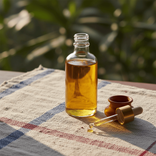
Nasya is an Ayurvedic therapy in which medicated oil is administered through the nose. The name comes from nasa, the Sanskrit word for nose. It is one of the five cleansing treatments in panchakarma (the system of deep detoxification in Ayurveda), though nasya can also be practised at home as a gentler self-care routine. The nasal passages are considered a gateway to the head, brain and deeper tissues, so oil applied here is believed to move swiftly to these regions and bring both physical and mental benefit.
The therapy works on several levels. In Ayurvedic theory, the nose is closely linked to the nervous system and the mind, particularly to vata dosha (the principle of movement and circulation in the body). Nasya lubricates the nasal passages, which can reduce dryness and irritation. It is also said to clear blocked sinuses, improve breathing and calm mental restlessness. Many people find the practice settling: the warmth and the rhythm of the therapy have a meditative quality.



Why nasya is used in Ayurveda
Nasya is employed for a range of concerns. In the head and neck, it may help with dryness in the nose and throat, sinus congestion, headaches and poor sleep. Some practitioners recommend it for concentration and memory, or for easing tension held in the jaw and temples. Because vata dosha is associated with the nervous system and is said to move through the head, balancing vata through nasya can have calming effects on the whole body. It is particularly valued during autumn and early winter, when vata naturally increases.
The therapy is also used as part of a seasonal routine. Many Ayurvedic practitioners suggest nasya during the change of seasons, or as a preventive measure before seasonal imbalances take hold. Some people use it daily as part of their self-care practice, though this is typically done with milder oils. The approach depends on your constitution and what you are hoping to address.
Different types of nasya
Nasya is not one fixed treatment. The Ayurvedic texts describe several approaches, and the choice depends on what is being treated and the person's current state.
Anu taila nasya uses a medicated oil traditionally called anu taila. This is the gentler, more common form used for general wellbeing and as a home practice. Anu taila is a blend of sesame oil base with herbs, and is soothing and nourishing. This form is what most people can safely do at home without professional guidance.
Therapeutic nasya uses stronger herbal preparations and is part of a supervised panchakarma protocol. It may involve different oils depending on the imbalance being treated. This should only be done under the guidance of a qualified Ayurvedic practitioner.
The classical texts also mention practices like herbal steam or smoke therapy applied through the nose, though these are less commonly done now and require professional knowledge to perform safely.
How to choose and prepare your oil
If you are doing nasya at home, begin with anu taila. This is specifically formulated for nasal use and is readily available from reputable Ayurvedic suppliers. You may also find other gentle nasal oils marketed for home use; choose one from a trusted source.
Warm the oil slightly before use, to about body temperature or just warm to the touch. You can do this by placing the bottle in warm (not hot) water for a minute or two. Test the temperature on the inside of your wrist, as you would with baby oil. The warmth aids absorption and is more comfortable.
It is best to use nasya in the morning, on an empty stomach or at least two hours after eating. Choose a time when you are not rushed and can rest quietly afterwards. Many people like to do nasya as part of their morning routine, before breakfast. Avoid nasya immediately after a meal, when you are very congested with a cold, or if you are experiencing acute sinus infection; in these cases, wait until you have recovered.
When nasya may not be suitable
Nasya is generally safe, but there are times when it is best avoided or deferred. Do not perform nasya if you have an acute sinus or nasal infection with fever. If you are heavily congested with a cold, it is kinder to wait a few days until the acute phase has passed. If you are pregnant, check with your Ayurvedic practitioner first, as some oils used in therapeutic nasya may not be appropriate, though gentle anu taila is usually fine.
If you have any condition affecting the nasal passages or sinuses, or if you are on medications that affect these areas, discuss nasya with your doctor or Ayurvedic practitioner before starting. Some people find that any new practice takes a little time to get used to; a small amount of oil is all you need, and you can build comfort gradually.
After nasya: what to do next
Once you have finished the practice, sit quietly for a few minutes. Many practitioners suggest not blowing your nose vigorously for at least 30 minutes afterwards, to allow the oil to settle and be absorbed. You may rest or go about your day, though some people prefer to meditate or do a gentle activity rather than immediately moving into an active schedule.
Some people experience a slight running nose or mild drainage in the hours after nasya. This is normal; it is part of the cleansing action. If this is bothersome, you can gently wipe it away. Over time, as you continue the practice, this often settles.
Nasya can be done daily as a light self-care practice using milder oils, or a few times a week. As with any Ayurvedic therapy, consistency matters more than intensity. If you are considering nasya as part of a deeper therapeutic programme, speak with an Ayurvedic practitioner who can guide the timing, oil choice and frequency suited to your needs.
How to perform nasya at home
- Warm your oil Place your bottle of anu taila in warm (not hot) water for 1-2 minutes. Test the temperature on your inner wrist; it should feel warm but not too hot.
- Sit upright Sit in a comfortable upright position, on a chair or cushion. Tilt your head back slightly, or lie back at a recline if that is more comfortable.
- Apply oil to the first nostril Drip 3-5 drops of warm oil into one nostril using a dropper. You should feel the oil begin to move into the nasal passage; take a moment to let it settle.
- Apply oil to the second nostril Drip 3-5 drops into the other nostril in the same way. Use the same amount on both sides to keep the practice balanced.
- Breathe gently Breathe slowly and naturally through your nose, allowing the oil to move deeper into the passages. You may feel a slight warmth or sensation of movement.
- Rest and allow absorption Sit quietly for 3-5 minutes while the oil settles. Some people prefer to lie back for this part. There is no need to do anything active; just let the oil work.
- Gently clear your passages After a few minutes, you can gently blow your nose or wipe away any drainage. Do this softly; there is no need to force anything out.
Common questions
Can I do nasya every day?
Yes, you can do gentle nasya with anu taila daily as part of your self-care routine. Many Ayurvedic practitioners recommend it as a regular practice. If you are using a stronger herbal preparation as part of therapeutic treatment, follow your practitioner's guidance on frequency.
What is the difference between nasya and neti?
Nasya applies medicated oil through the nose for absorption and internal benefit, while neti uses salt water and a small pot to rinse and cleanse the nasal passages mechanically. They are different practices that can complement each other, but nasya is about nourishment and therapeutic action, not cleansing.
Is nasya safe if I am taking regular medications?
Gentle nasya with anu taila is usually compatible with most medications, but it is wise to mention it to your doctor if you take medications affecting the nose, sinuses or blood pressure. If you are doing nasya as part of a supervised Ayurvedic treatment, tell your practitioner about all medications you take.

Related Articles


