
What is triphala and how is it taken
Three fruits, one gentle healer

Dharmayana
29 Sep 2026 • 5min
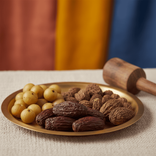
Triphala is a traditional Ayurvedic remedy made from three dried fruits: amla, haritaki and bibhitaki. The name means "three fruits" in Sanskrit. Each fruit brings its own qualities to the blend, and together they are said to support digestion, gentle detoxification and overall wellbeing. Unlike stronger medicines, triphala works quietly and can be used over the long term as part of everyday wellness practice.
The three fruits that make triphala each have a distinct role. Amla, also called Indian gooseberry, is bright and sour. It is rich in vitamin C and brings a cooling, nourishing quality to the formula. Haritaki, or black myrobalan, has a warm, dry quality that aids digestion and is known for supporting the movement of food through the digestive system. Bibhitaki, or bahera, completes the mix with its own drying and grounding properties. When these three are combined in equal measure, they create a balanced formula that neither overstimulates nor burdens the body.



How to use triphala
Triphala comes in several forms. The most common is the churna, a fine powder that you mix with warm water. Take a teaspoon of powder in the evening, stir it into a cup of warm water, and drink it. Some people find the taste quite bitter and prefer to add a touch of honey or jaggery to make it easier to drink. You can also buy triphala in tablet form, which is less messy and travels well—typically one to two tablets taken with warm water in the evening.
Begin with a smaller dose if your digestion is sensitive. A quarter or half teaspoon of powder is a good starting point. Some people use triphala in the morning, some in the evening. Evening is traditional and allows time for gentle action overnight, but what matters most is finding a rhythm you can keep to.
Consistency matters more than quantity. If you take triphala, use it regularly over weeks and months rather than occasionally. This is not a supplement that works through a single dose, but through patient, steady use. Many people incorporate it into their everyday routine without much ceremony—just part of their evening wind-down.
What Ayurveda says about triphala's benefits
In Ayurvedic texts, triphala is described as a rasayana, a substance that supports the body's natural strength and longevity. It is said to pacify all three doshas—vata, pitta and kapha—which is unusual; most remedies have a bias toward one or two doshas. Triphala's gentle, balanced action is why it has remained in use for centuries across different regions of India.
Ayurveda describes triphala as supporting natural cleansing without harshness. It is believed to help the body release what it no longer needs while nourishing the tissues. This is different from a strong laxative. Rather than forcing action, triphala is thought to encourage the body's own capacity to move and to digest. People often report feeling lighter and less sluggish after several weeks of regular use.
Triphala is also said to support healthy vision and skin. Amla's high vitamin C content and the formula's overall nutritive quality make sense of this in modern terms too. The remedy is gentle enough that pregnant people, nursing people and children can use it under guidance, though it is wise to check with a practitioner before using it in pregnancy.
Who should use triphala
Triphala suits most people, but it works best for those with a balanced constitution or a tendency toward constipation and sluggish digestion. If you run very hot or have loose stools and weak digestion, a smaller dose or less frequent use may suit you better. If you are very depleted or have severe digestive weakness, it is worth consulting an Ayurvedic practitioner before starting.
Some people take triphala daily as a lifelong habit. Others use it for a few months when they feel their digestion needs support, then pause. Both approaches are common. There is no fixed rule; what matters is paying attention to how your body responds and adjusting accordingly.
Where to find triphala and what to look for
Triphala is widely available now through Indian grocery stores, Ayurvedic suppliers and online retailers. When buying, look for a simple blend that lists only the three fruits: amla, haritaki and bibhitaki. Some brands add herbs or spices, which may alter how it works. If possible, buy from a supplier you trust or one recommended by an Ayurvedic practitioner.
Store your triphala in a cool, dry place away from direct sunlight. The powder loses potency over time, so buy in quantities you will use within several months. If you notice the smell has changed or the powder looks discoloured, it is time to replace it.
Starting your triphala practice
Begin slowly and observe how your body responds over a few weeks. Many people notice improved digestion, clearer skin and a sense of lightness within a month of regular use. Some feel the effects more quickly; others need more time. If triphala does not suit you—if it makes you feel too cold or causes cramping—stop and try something else or consult a practitioner.
The tradition teaches that the best medicine is one you will actually use. If you can make triphala part of your evening routine without strain, you have found a gentle ally for long-term wellbeing. The point is not dramatic transformation but quiet, steady support for the body's own wisdom.

Related Articles


