

Phalguna Amavasya 2027
 8th Mar 2027
Phalguna Amavasya 2027 is on Monday, 8 March 2027. Amavasya tithi begins at 01:46 PM IST on 7 Mar and ends at 02:59 PM IST on 8 Mar. Amavasya is the tithi at sunrise on 8 Mar.
| Amavasya tithi begins | 01:46 PM, Sun, 7 Mar |
|---|---|
| Amavasya tithi ends | 02:59 PM, Mon, 8 Mar |
| Abhijit Muhurta | 12:15 PM – 01:02 PM |
| Times for | Ujjain (IST) |
फाल्गुन अमावस्या 2027 कब है?
फाल्गुन अमावस्या 2027 सोमवार, 8 मार्च को है। अमावस्या तिथि 7 मार्च को दोपहर 1:46 बजे से 8 मार्च को दोपहर 2:59 बजे तक रहेगी।
On this page: prarthanas and mantras with audio · questions about Phalguna Amavasya
Amavasya
Pratipada


Festival Pooja & Pandit Booking
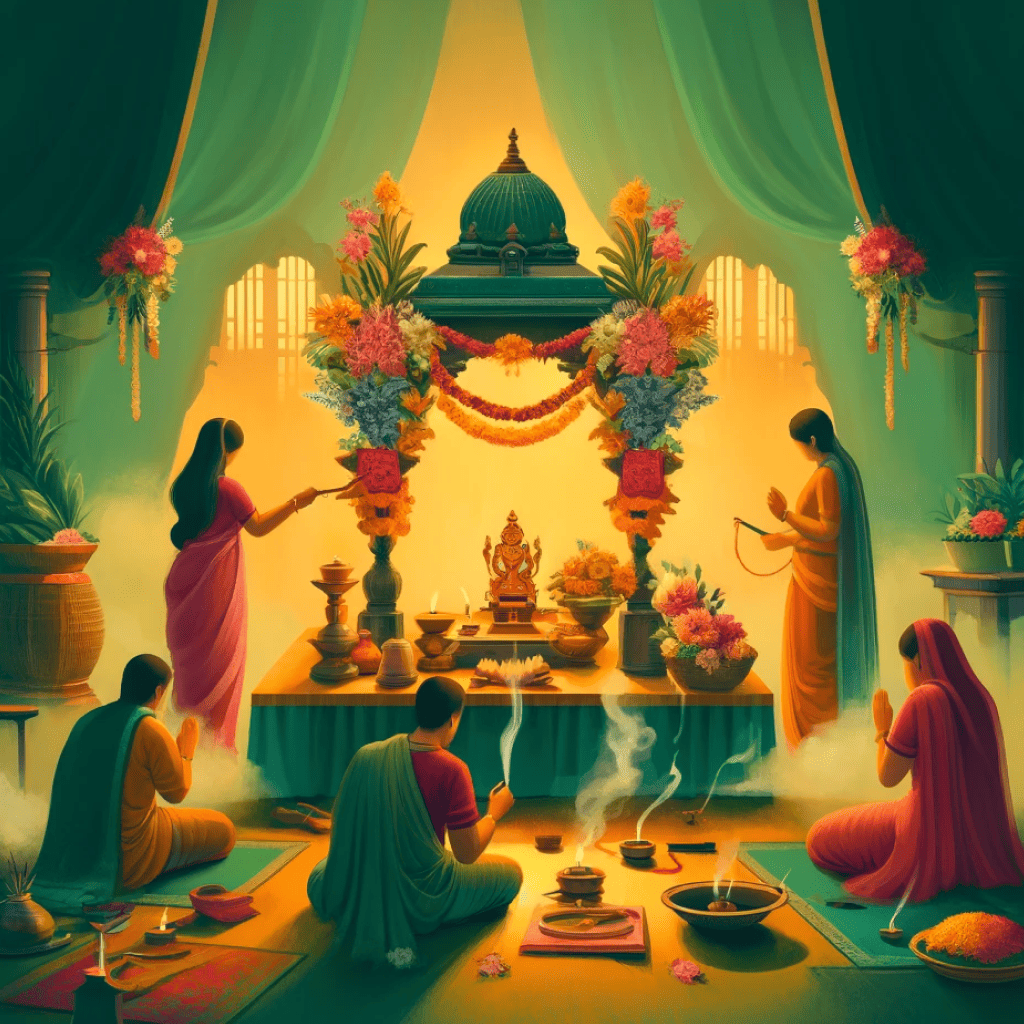
Want a Pandit-led pooja for this festival at home, or online if you live abroad? Dharmayana connects you with verified Pandits for all major Hindu festivals — Diwali, Navratri, Shivratri, Janmashtami, Ganesh Chaturthi and more.
You can book:
- Festival pooja at home with a verified Pandit
- Online / virtual pooja with live video and digital prasad
- Same-day sankalp for time-sensitive festivals
Bookings, samagri lists and Pandit assignment are all handled inside the Dharmayana app — choose the festival, pick a date and the rest is taken care of.

Prarthana, Mantras & Vrat Katha
Every festival has its own prarthanas, stotras and vrat kathas. Reading or listening to them on the festival day is the simplest way to observe the tradition at home.
Inside the Dharmayana app you can listen to:
- 1000+ prarthanas, mantras and stotras with clear audio
- Festival-specific kathas — Lakshmi, Durga, Shiva, Ganesha, Krishna
- Multilingual versions: Sanskrit, Hindi, Tamil, Telugu, Kannada and more
Browse the full collection of prarthanas or get the app to play them on the festival morning without ads.

Festival Date, Tithi & Muhurat
Hindu festivals are tied to a specific Tithi, not a fixed date — so the day shifts every year and even varies slightly across cities.
Open the Panchanga for the festival day to see the exact Tithi, Nakshatra, Yoga, Karana and Shubh Muhurat for pooja in your location.
The Dharmayana app keeps track of all upcoming festivals on the Hindu calendar and reminds you in advance.

Personalised Astrology Around Festivals
Festivals are also a good time to look at your kundali — many families plan sankalp, donations or new beginnings around them.
Inside the app you can:
- Generate your personal Vedic kundali
- Talk to a Jyotisha for guidance around career, relationships or health
- Run kundali matching before fixing a marriage during the festival season
All of this is available inside the Dharmayana app — no fixed schedule, use it whenever you need it.
Frequently Asked Questions
When is Phalguna Amavasya in 2027?
Phalguna Amavasya 2027 falls on Monday, 8 March 2027. Amavasya tithi runs from 01:46 PM, 7 Mar to 02:59 PM, 8 Mar IST, as calculated for Ujjain. Times shift by a few minutes for other cities.
What is Phalguna Amavasya?
Phalguna Amavasya is the new moon of the year's final lunar month — the last Amavasya before Chaitra opens the new Hindu year at Ugadi. It falls about a fortnight before Holika Dahan, making it the closing window to settle ancestor rites before the year turns.
Why is Phalguna Amavasya observed?
Because Phalguna is the 12th lunar month, this Amavasya is the year's last chance to perform pitru tarpan before Chaitra Shukla Pratipada (Ugadi or Gudi Padwa) begins a fresh lunar year. In the Amanta calendar used across the Deccan and the South, the lunar month ends here; in the Purnimanta calendar of the North, the same new moon is labelled Chaitra Krishna Amavasya — same day, two names. The classical rite is tarpan with black sesame and water, ideally after a bath in a flowing river. If this Amavasya falls on a Monday it becomes Somvati Amavasya, and on a Saturday, Shani Amavasya — both treated as far more potent for ancestor offerings and for Kalasarpa Dosha puja. The day sits quietly before the loud arrival of Holi about two weeks later.
Which prarthanas are recited on Phalguna Amavasya?
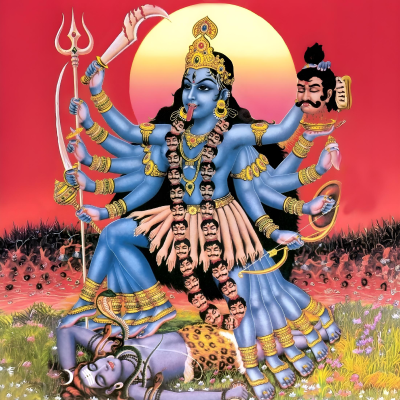
Pitru Devata Mantra and Mahakali Mahakaleshwara Mantra are recited on Phalguna Amavasya. You can listen to them with audio on this page.
Book Pandit & Festival Pooja
on the Dharmayana App
Book Phalguna Amavasya Pooja on the Dharmayana App
Verified Pandits, prarthanas with audio and accurate Panchanga, all in one place.


